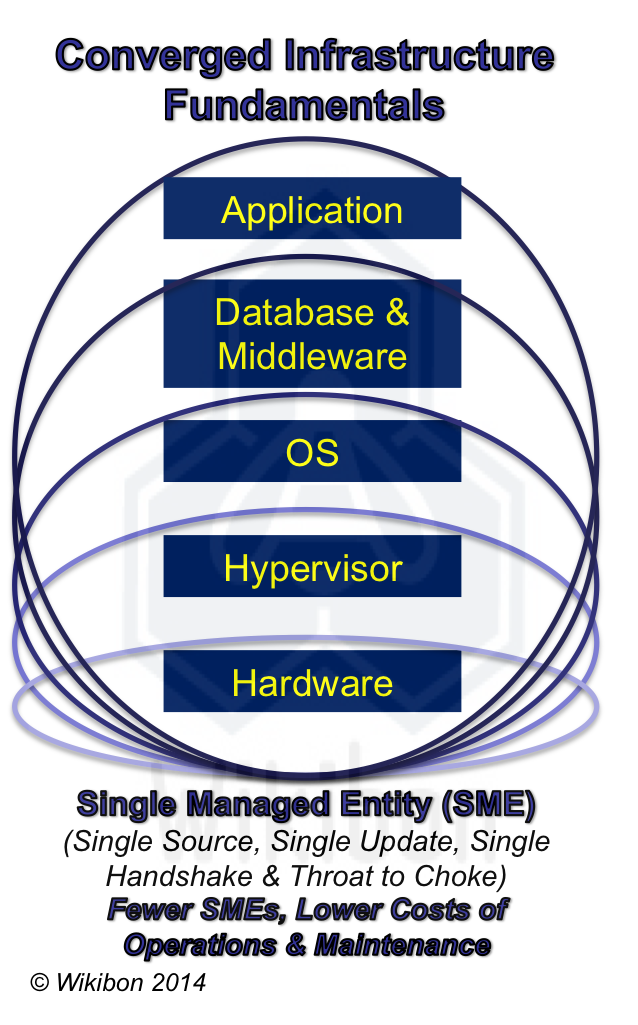
One of the biggest pros for integrated systems is that many companies have problems in the support area. When something goes wrong, it's always the other guys fault. Thoughts?
Here's a ?..."Oracle is stacking the deck" by xclusively exploiting function (e.g. HCC, OISP) & sometimes locking out competitors from that party. Will Orcl continue the "best stack" approach or will it open up to make it's DB (for example) more attractive
I think that’s the whole point/argument. The minute you start adding all sorts of vendors and choices to the mix, you lose the whole integration/optimization and TCO costs increase, but 3rd party SW like SAP is supported on engineered systems
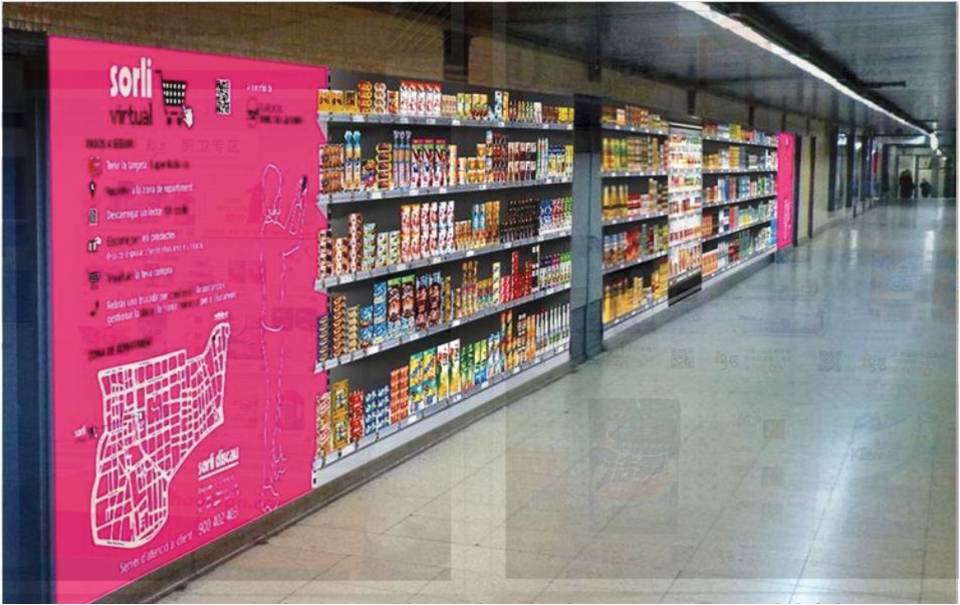
http://goo.gl/o2ajpD This is in a subway station. Use your smart phone to scan the items and they are delivered to your home. Saves you a trip so you have more time for you
What are folks seeing in terms of the challenges of dealing with top level trends like mobile and social media affecting their ability to drive business effectiveness
All applications that leverage Oracle middleware and database technologies will immediately deliver incremental business value when deployed on Oracle HW. This is because the underlying infrastructure stack is engineered to work together.
Agree. Human beings don’t like to change even when its clearly better for them to make a change but more try to take your organization to a better place. They stop spending time doing what someone else has done
CIOs and executives pushing for fast time to value want benefits in cost and top line growth what do you guys find is the business advantage of performance of oracle sw on oracle hw? vs scale out commodity hw
The value includes performance but its only one part of the business benefit equation. Fastest processor or the fastest disks are only as effective as their ability to communicate. There are always going to be faster components.
Getting the components to work together in the most effective manner, including the software that runs on them, changes the way human processes work in an organization. That’s where value is delivered.
For example, within finance, the processes required to close the books so you not only can accurately report your position but also so you can assess where you are before the period ends is a huge IT resource hog. Take currency conversions.
They took over 20 hours because of all the country books they had to consolidate. Running Oracle Financials on an Oracle Engineered systems reduced it to 4 minutes. If nothing else changed, that cuts a day out of the process.
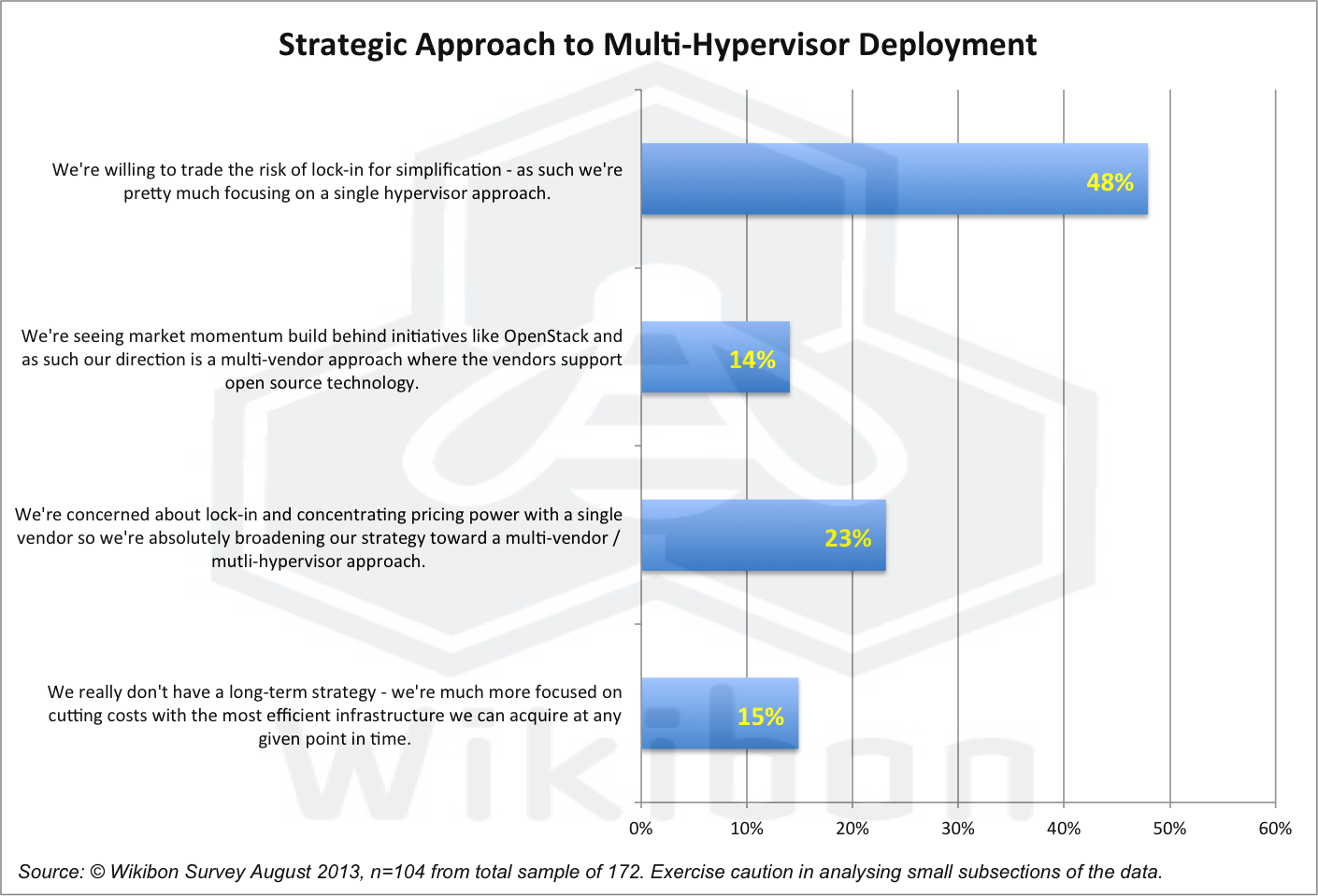
Oracle Hardware Vendor lock-in is an artificial fear because everyone is locked in at some point. No one changes their ERP system without a major event like M&A. Few companies choose to change their storage vendor because it’s easier to keep adding on.
Imagine if you can have real time visibility into profitability as you are taking orders over the phone - profitability within 2 hours of a flight taking off, quick impact for costing if a component pricing changes
From the business perspective: Time to value, ability to shift maintenance spend to delivering new business needs. For IT: lower costs, simplified management, reduced risk are a few.
1/ What's my service level requirement,2/ what's the business case for integration, 3/ how much do I want my infr. to support other apps (ie non-oracle)
One of the most transformative business advantages is the ability to have on demand business analytics / insight for workloads that traditionally ran overnight.
The integrated storage/DB is one of biggest advantage. Many perf and interoperability problems stem from server to external storage connectivity - especially scaling data growth
The best advantage of engineered systems is increased reliability and ease of maintenance because supposedly all the problems of stack integration have already been worked out by one vendor. Once you have that you can start to fine tune.
Commodity solutions are just that. They offer flexibility & lower cost at the expense of higher performance. Commodity will always mean lowest common denominator. You will never equal the perf. of a complete "stack engineered" solution.