


James Maguire5


Q9.What do you see as a core best practice for DataOps?
Bruce Kornfeld
A9. To create auditable paths of how the data has been thinned and serviced so to insure the integrity and decision process and to track data from the point of entry to its end of life.
Radhika Krishnan
A9. Automating large volumes of repetitive tasks such as #DataClassification and #DataProtection, can improve productivity by using business policies applied to volumes of data. Automation to curate #Metadata and analysis helps to augment human effort and drive #DataOps.
Bas Kamphuis
A9: . Think about this formula for a second: (data * Model) ^ People. In other words: by making data insightful through a model (context rich and business driven preferably) many more people will be empowered to take smarter actions.
Cognite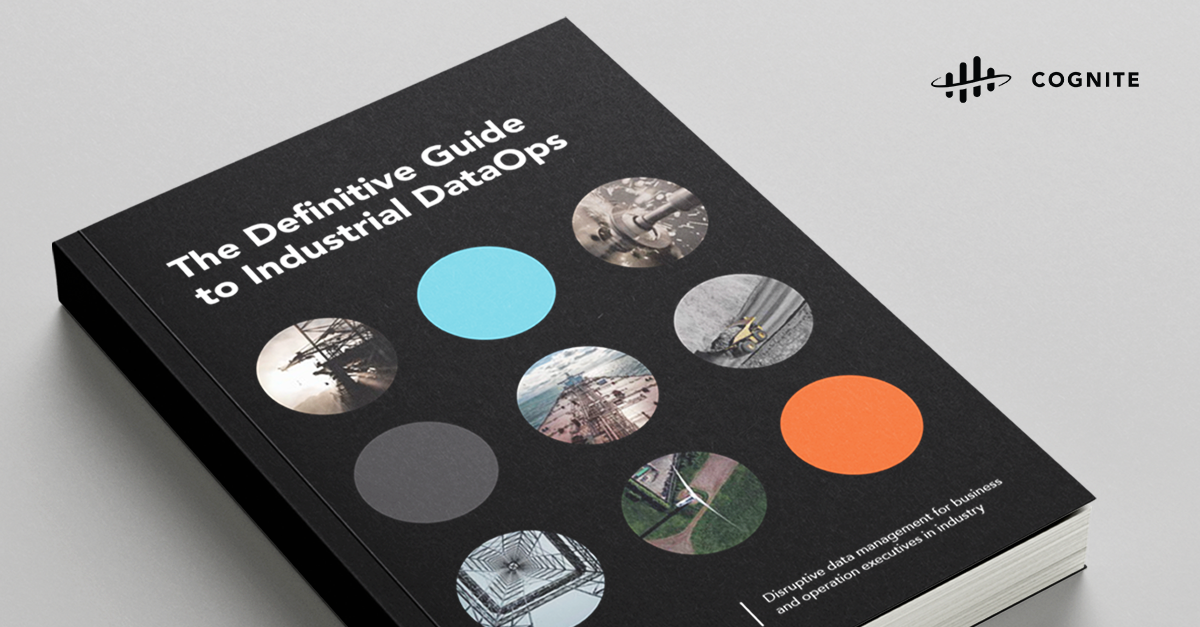
A9: As core best practice for DataOps, focus on understanding what DataOps really can do for your business, not just you individually. For those in industry, our free book offers a solid guide to this for all those working in industrials. Download at https://content.cognite.com/the-definitive-guide-t...
The Definitive Guide to Industrial DataOps
The guide, written by Cognite, explains the emerging discipline of Industrial DataOps for business and IT professionals - a first for the industry.
The guide, written by Cognite, explains the emerging discipline of Industrial DataOps for business and IT professionals - a first for the industry.
Chris Ehrlich
A9: In terms of a core best practice for DataOps, it is dedicated staffing allocation to the discipline. #DataOps #DataManagement
Sam Lakkundi
A9. Assess your environment by starting small. Create a data operations department, align with the organization. Educate your team, make it cross-functional, build for reuse & automation, & use data development tools.
